

Quick answer
You can snorkel Cozumel's reefs independently from several shore entry points along the island's protected western and southern coasts. The federal marine park charges a 225 MXN daily conservation fee per person, collected at park access areas. Morning conditions between 06:00 and 10:00 typically offer the calmest water before trade winds build in the afternoon. Iron shore platforms and rocky entries require reef-safe footwear and careful timing around boat traffic in designated zones.
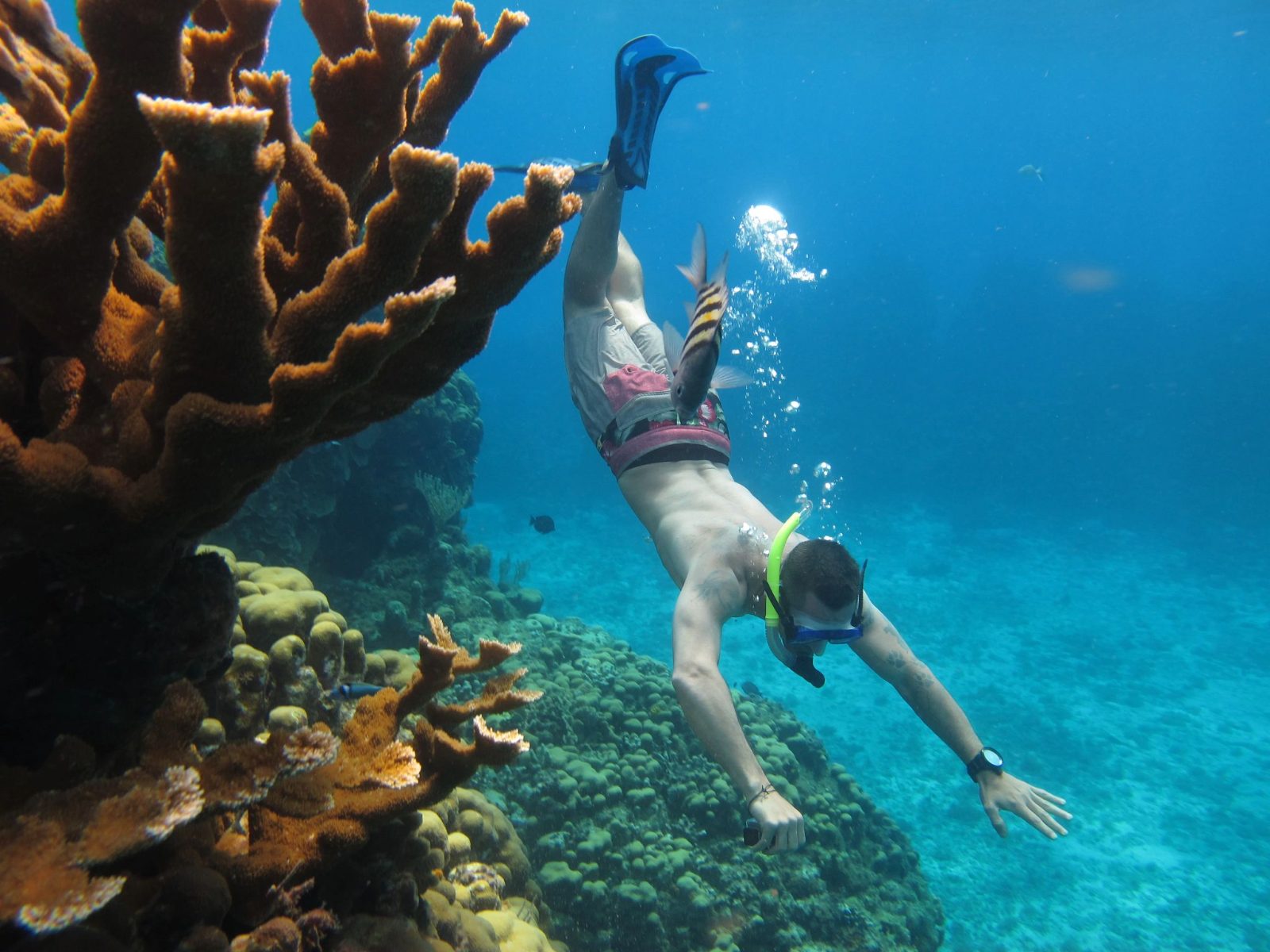
Cozumel's fringing reef system runs parallel to the western coastline less than 100 meters offshore in many locations, placing world-class coral formations within swimming distance of the beach. The island's position in the Mesoamerican Barrier Reef corridor creates current-swept walls that drop from shallow terraces into blue water, and while drift diving those walls typically requires boat support, the inner reef terrace between shore and drop-off holds enough biodiversity to justify multiple solo sessions. Snorkeling Cozumel on your own means navigating a patchwork of access rights and marine park boundaries. The Parque Nacional Arrecifes de Cozumel protects the southern and western underwater zones, and shore access is permitted at specific entry points where the 225 MXN federal fee applies. Private beach clubs and hotel zones control other stretches of coastline, some allowing public access for a separate facility fee, others restricting entry to guests. Rocky iron shore dominates much of the accessible western coast rather than sand beaches, so entries involve climbing over jagged limestone platforms and timing your descent between wave sets. Current is the governing variable. The Yucatan Current flows northward along Cozumel's western face at velocities that shift with tidal cycle and wind direction, and what feels like a gentle push at 08:00 can become a conveyor belt by noon. Independent snorkelers work the inner terrace where coral heads and sand channels create drag that slows the current, staying inside the 10-meter depth contour and swimming parallel to shore rather than perpendicular. Visibility averages 25 to 30 meters in calm conditions, dropping when northerly winds stir sediment or cruise ship anchoring disturbs bottom substrate. Marine life density varies by substrate type and current exposure. Elkhorn coral thickets in the shallows host juvenile fish populations and invertebrate communities, while the deeper terrace edge where sand meets coral rubble attracts pelagic visitors—tarpon, horse-eye jacks, and the occasional nurse shark resting in undercuts. Sea turtles forage on sponge-encrusted hard bottom throughout the park, indifferent to snorkelers who maintain the required three-meter distance. The reef's health reflects decades of marine park management, though hurricane damage from recent storm seasons remains visible in broken coral fields that are slowly regenerating.
“The island's fringing reef runs parallel to the western coastline less than 100 meters offshore, placing world-class coral formations within swimming distance of the beach.”
Best Time for Snorkeling Cozumel On Your Own
The best arrival window for snorkeling Cozumel on your own is 06:00–10:00. Arriving during this period ensures the calmest sea conditions before afternoon winds typically increase.
Weekday mornings
Low crowd density—
Provides the most tranquil water conditions for independent snorkelers.
March to May
Moderate crowdsWarm 26°C-28°C water temperatures
Ideal sea visibility during these months with stable weather patterns.
June to September
Variable crowd levelsWarm 28°C-30°C; potential storm activity
Early morning arrivals are essential to avoid afternoon sea swells.
October to January
Moderate to high crowdsCooler 24°C-26°C; north winds occur
Select days with low wind speeds to ensure safe water entry.
Verdict: The most favorable time is between March and May, arriving daily within the 06:00–10:00 window to prioritize calm water conditions.
Steps for Snorkeling Cozumel On Your Own
Snorkeling Cozumel's reefs independently requires paying the federal conservation fee, choosing an accessible shore entry point, and following local marine park protocols. The process takes 15–30 minutes from arrival to water entry.
Pay the Federal Conservation Fee
Present yourself at any authorized collection point along the coastal access roads to pay the 225 MXN daily fee per person. Keep your receipt; some areas conduct spot checks to verify payment.
Select Your Shore Entry Point
Choose a beach or marina with calm, protected water and visible reef access—popular options include Playa San Francisco, Playa Palancar, and areas near Chankanaab. Avoid entries with strong currents or heavy boat traffic.
Assess Conditions Before Entering
Check wave height, current direction, and visibility from shore before gearing up. Morning conditions between 06:00–10:00 typically offer the calmest water and clearest visibility.
Enter from a Sandy Channel
Wade in through sandy breaks between coral formations to avoid damaging reef structures or injuring yourself on sharp coral. Never step on or grab living coral.
Stay Within Your Skill Range
Snorkel parallel to shore in water depths you can comfortably manage, keeping the coastline in sight. If you feel fatigued or conditions deteriorate, exit immediately at the nearest safe channel.
Practical Tips for Snorkeling Cozumel On Your Own
Navigating the reefs of Cozumel independently requires careful preparation regarding marine safety and environmental responsibility.
Monitor current direction
Always check the surface current direction before entering the water, as Cozumel reefs often feature strong drift currents that can carry swimmers away from exit points. Plan your snorkel to swim against the current first so your return trip is assisted by the flow.
Marine life contact
Never touch, feed, or stand on coral heads as they are fragile living organisms that die upon contact. Maintain a neutral buoyancy and keep your fins away from the seafloor to prevent siltation that smothers polyps.
Biodegradable sunscreen only
Only use sunscreens labeled reef-safe with zinc oxide or titanium dioxide as active ingredients. Standard lotions contain oxybenzone and octinoxate, which are toxic to coral reefs even in small concentrations.
High visibility surface marker
Carry a brightly colored surface marker buoy or a dive flag to ensure boat operators can see you at all times. Boat traffic near popular reef areas is frequent and operators may not spot a lone snorkeler in the water.
Hydration and sun protection
Wear a long-sleeved rash guard to prevent skin exposure to the sun and stinging hydroids common in Caribbean waters. Drink water before and after your session to avoid dehydration, which is common in tropical climates even when you do not feel thirsty.
Preparation Checklist for Snorkeling Cozumel On Your Own
Gather these essentials before heading to the reefs.
-
Bring government-issued photo ID — Required to verify your identity at marine park checkpoints.
-
Pack reef-safe sunscreen (mineral-based) — Chemical sunscreens damage coral; mineral formulas protect both you and the ecosystem.
-
Carry 225 MXN in cash — The Federal daily conservation fee must be paid per person for park entry.
-
Secure proof of fee payment — Keep your receipt accessible for possible inspection by park rangers.
-
Pack your own snorkel gear — Rentals are limited at independent access points; personal equipment ensures proper fit.
-
Download offline maps of Cozumel — Cell service is inconsistent along remote coastal areas.
-
Bring a waterproof bag or dry box — Protects documents, cash, and electronics from saltwater exposure.
Check availability
Common questions about snorkeling Cozumel on your own
Everything you need to know about snorkeling cozumel on your own