

Quick answer
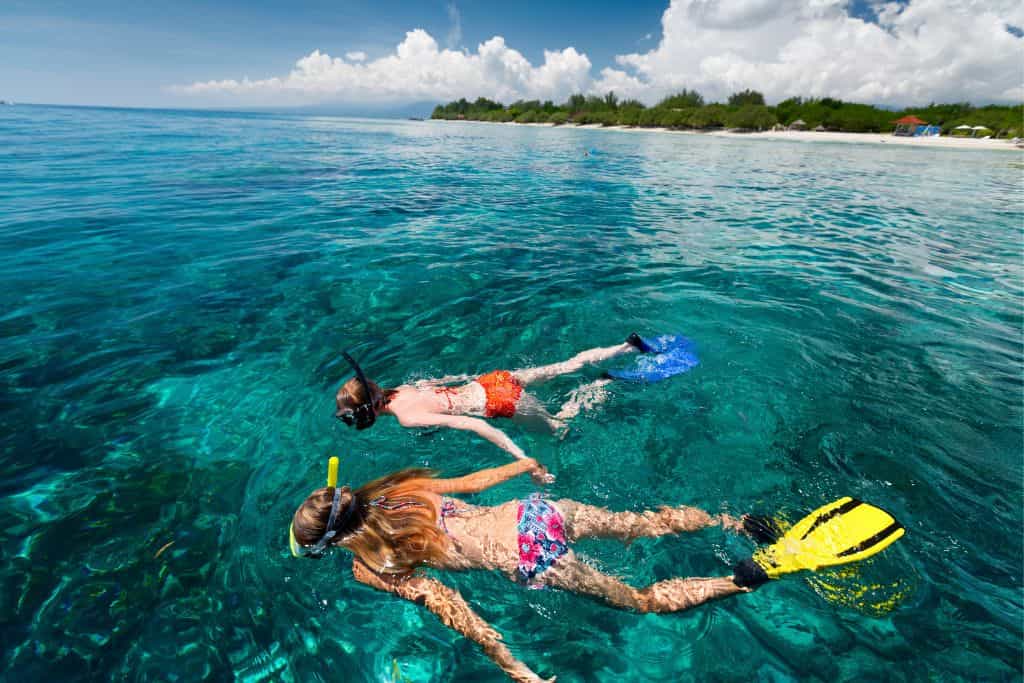
Snorkeling Cozumel beaches requires paying a 225 MXN federal conservation fee per person, per day for marine park entry. Beach access points open daily from 06:00 to 22:00. Arrive between 06:00 and 10:00 for clearer visibility and smaller crowds, before cruise ship excursions and commercial boat tours reach the outer reef sections.
The Parque Nacional Arrecifes de Cozumel protects 11,987 hectares of reef formations running parallel to the island's western and southern shores. Unlike boat-only dive sites farther offshore, several beach entry points allow snorkelers to swim directly from sand to shallow coral gardens without chartering a vessel. Parotfish, sergeant majors, and yellowtail snappers patrol the elkhorn and brain coral heads within 15 meters of shore at sites like Playa San Francisco and Playa Palancar. Water clarity peaks in early morning hours, when sediment settles overnight and wave action remains minimal. The federal conservation fee funds reef monitoring and mooring buoy systems that reduce anchor damage from the 300-plus dive boats operating in Cozumel waters. Marine park boundaries extend from Punta Sur north to Punta Molas, covering most snorkel-accessible beaches along the protected leeward coast. The windward eastern shore faces open Caribbean currents and lacks the calm conditions needed for safe shore entry. Snorkeling from Cozumel beaches works best during the November-to-April dry season, when north winds stay light and visibility routinely exceeds 25 meters. The reef system here forms part of the second-longest barrier reef on Earth, stretching from Isla Contoy south through Belize. Cozumel's section sits atop an ancient limestone platform, where tidal exchange through the Yucatan Channel delivers nutrient-rich water that sustains over 500 fish species and 65 coral species. Shore snorkelers share these zones with green sea turtles and southern stingrays that forage in the seagrass beds bordering the sand.
“Cozumel's shore-accessible reefs sit atop an ancient limestone platform where tidal exchange through the Yucatan Channel sustains over 500 fish species.”
Best Time of Day for Snorkeling Cozumel Beaches
The best arrival window for snorkeling Cozumel reefs is 06:00–10:00. Arriving during this period ensures clearer water and fewer crowds before cruise ship and boat tour groups reach the area.
March to June
Moderate to highWarm, 27°C to 29°C
These months offer calm seas and high visibility for underwater activities. Booking during mid-week helps avoid weekend surges.
July to October
Low to moderateWarm, 28°C to 30°C
While this period aligns with hurricane season, water temperatures remain high. Morning sessions are critical to avoid afternoon rain showers.
November to February
HighCooler, 23°C to 26°C
Peak tourism season brings larger crowds to the reefs. Prioritize early morning visits to secure space before boat traffic increases.
Verdict: The best time to visit is during the shoulder months of April or October, arriving daily between 06:00 and 10:00.
Rules and Conduct for Snorkeling Cozumel Beaches
Cozumel's reefs are part of the Mesoamerican Barrier Reef System, the second-largest coral reef in the world. Federal marine park regulations and local etiquette protect this fragile ecosystem from the daily impact of thousands of snorkelers.
Do
- Use only reef-safe sunscreen free of oxybenzone and octinoxate
- Maintain neutral buoyancy and avoid standing on the ocean floor
- Stay at least 6 feet away from all coral formations
- Secure all loose equipment before entering the water
- Follow designated snorkeling zones marked by buoys
- Report any injured marine life to park rangers immediately
Don't
- Touch, stand on, or kick coral with fins
- Feed fish or other marine animals
- Collect shells, sand, or any natural materials from the reef
- Wear chemical sunscreens that harm coral polyps
- Chase or corner sea turtles and rays
- Anchor boats directly over coral formations
Snorkeling Cozumel Beaches Preparation Checklist
Bring the right gear and documents to make the most of your time in the water.
-
Bring a valid photo ID — Required to pay the 225 MXN conservation fee at park entry.
-
Pack reef-safe sunscreen — Chemical sunscreens damage coral; use mineral-based formulas only.
-
Wear a rash guard or wetsuit — Protects against sun, jellyfish, and sharp coral without blocking your movement.
-
Bring your own snorkel gear if possible — Rental quality varies; a well-fitting mask prevents leaks and frustration.
-
Carry small bills in Mexican pesos — The conservation fee is cash-only and change may be limited.
-
Pack a dry bag for valuables — Keeps phone, wallet, and car keys safe while you're in the water.
-
Arrive between 06:00 and 10:00 — Water clarity is best and crowds are lighter before tour groups arrive.
Check availability
Frequently asked questions about snorkeling cozumel beaches
Everything you need to know about snorkeling cozumel beaches